





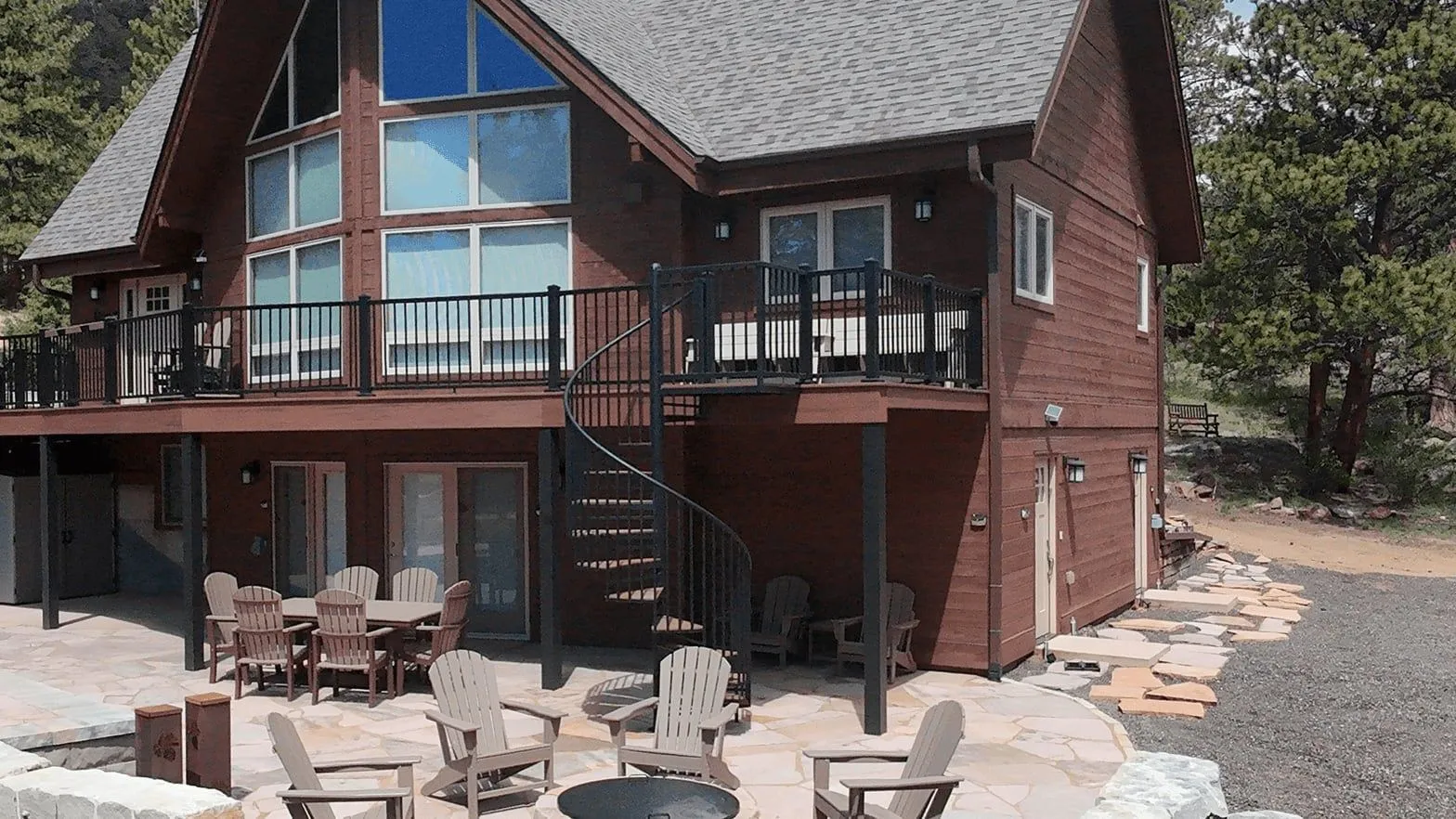
Custom deck cost in Colorado starts around $8,000 for a small deck and can pass $100,000 for large, feature-rich projects. Size, materials, framing, stairs, and site conditions shape the final scope. See how Decks by Caio plans custom deck solutions.
What does a custom deck cost in Colorado?
Decks by Caio uses these planning ranges for custom decks:
| Deck size | Area | Planning range |
|---|---|---|
| Small | 100–200 sq ft | $8,000–$20,000 |
| Medium | 200–400 sq ft | $15,000–$40,000 |
| Large | 400+ sq ft | $35,000–$100,000+ |
Most custom projects range from $10,000 to $250,000, depending on scope, materials, and features. These are planning ranges, not quotes: the final price depends on your site and design.
Size and layout change more than square footage
Square footage sets the starting point, but layout drives labor and structure. A ground-level rectangle and an elevated deck of the same size need different footings, framing, stairs, and railings. Elevation, access, and design complexity can move the budget quickly. Multiple levels, curves, built-in seating, or wraparound sections add time and materials.
Materials and framing affect the investment
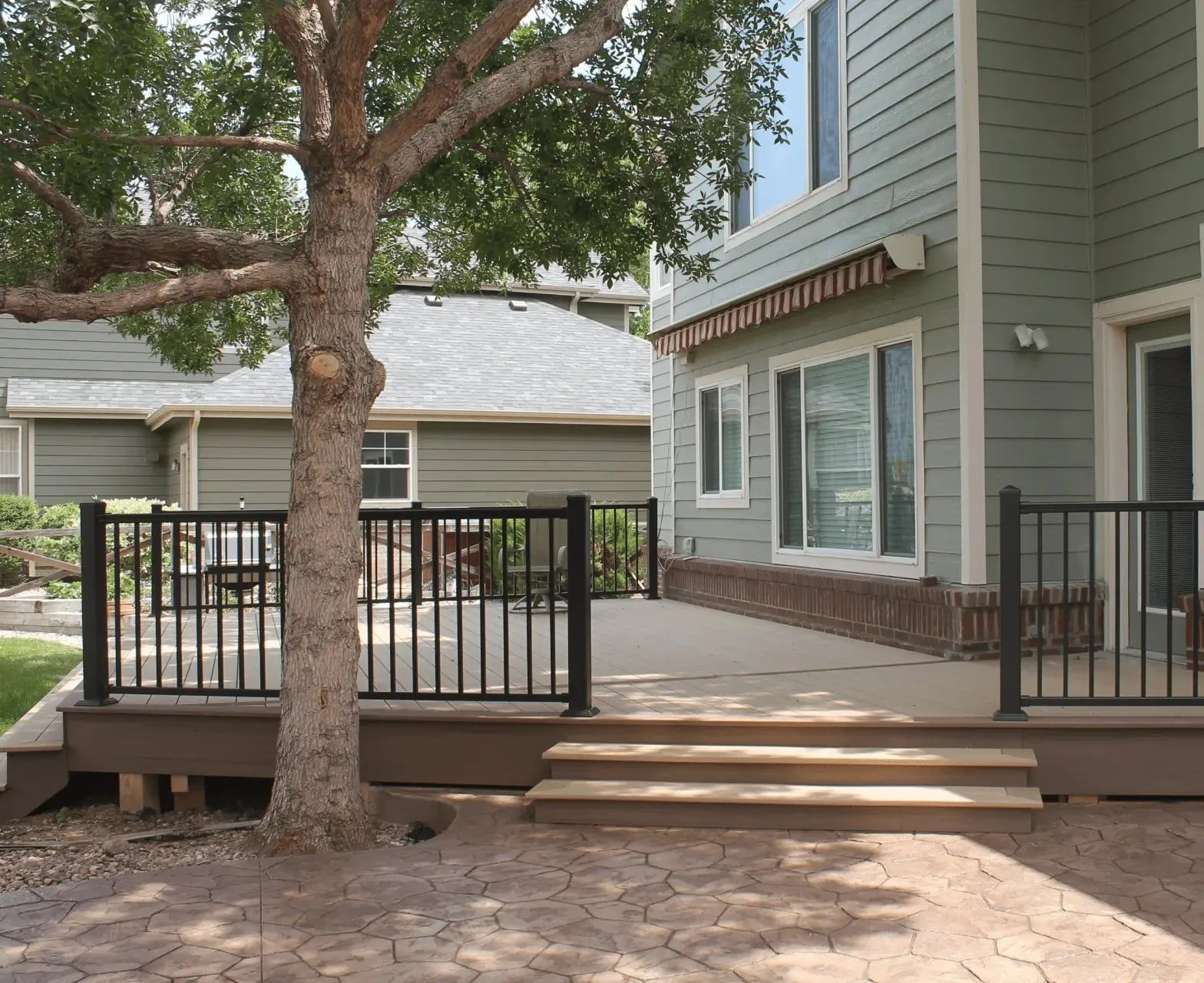
Composite usually costs more upfront than wood but reduces routine maintenance, and TimberTech backs its composite with 25- to 30-year limited warranties. Compare composite vs. wood decking and explore Decks by Caio’s TimberTech deck options. Framing matters too: Decks by Caio offers black TimberTech aluminum framing and galvanized steel framing, which don’t rot like wood framing and help a custom deck last. Compare the structure along with the visible decking.
Site conditions and project scope matter
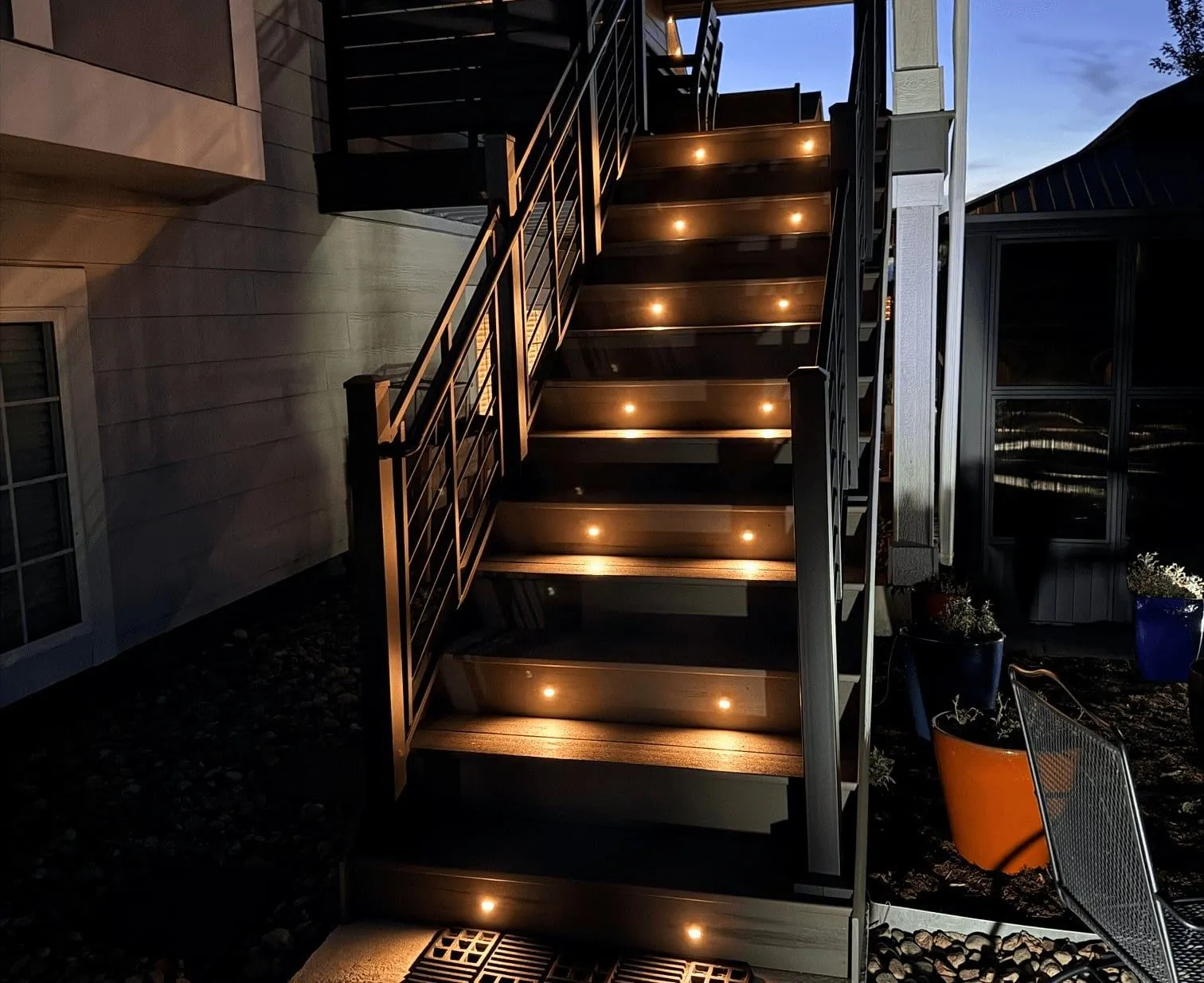
Demolition of an old deck, slope, limited access, permits, lighting, stairs, and railings can all change the final quote. Permit requirements vary by city; Boulder’s residential deck guide is a good example of what a review covers. Review deck with stairs options and completed work in the project gallery to see how scope varies from one home to another.
What should homeowners compare before choosing a quote?
Compare scope, not only the total. Before choosing, check whether each quote includes:
Decking material and product line
Framing type: wood, galvanized steel, or TimberTech aluminum
Stairs, railings, and lighting
Demolition and debris removal
Permits and inspections
Project management and warranty coverage
A lower number is not necessarily the better value if the scope is different.
How to get an accurate deck cost estimate
Define the approximate size, height, and layout you want.
Choose your preferred decking, railing, and framing options.
Note site details such as slope, access, and any old deck to remove.
Ask for an itemized estimate so each quote can be compared line by line.
Plan the schedule: a straightforward deck may need about 1 to 3 weeks of onsite work.
Ready to understand what your deck will cost?
Explore Decks by Caio’s custom deck solutions and request a free estimate based on your home, materials, and project scope. You can also review financing options to plan your investment.
Custom deck cost FAQ
How much does a 200 sq ft deck cost in Colorado?
Using Decks by Caio’s planning ranges, a 100–200 sq ft deck is about $8,000–$20,000, and a 200–400 sq ft deck is about $15,000–$40,000. Height, materials, stairs, and site conditions move the final price within or beyond these ranges.
Is composite decking more expensive than wood?
Composite usually costs more upfront than wood, but it needs less routine maintenance, such as sanding and staining. Many homeowners weigh the higher initial cost against lower upkeep over the life of the deck.
Does deck framing affect the cost?
Yes. The framing type changes material and labor costs. Galvanized steel and TimberTech aluminum framing don’t rot like wood framing, which is why they should be compared as part of the full scope, not only the visible boards.
Is a deck cost range the same as a quote?
No. A planning range helps you budget, while a quote reflects your actual site, design, materials, and permits. An itemized quote is the most reliable way to compare proposals.
 Call us (303) 808-2988